The Cognitive Benefits of Interacting With Nature
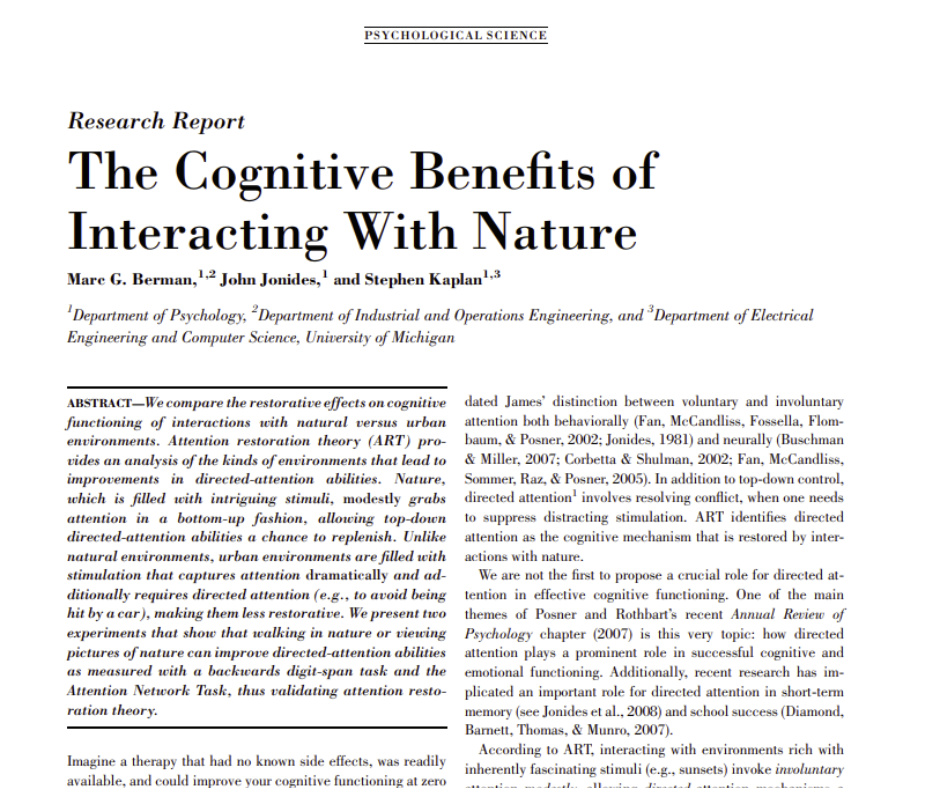
Spending as little as 30 minutes in nature can improve your short term memory by as much as 20%, reduce mental fatigue and improve focus.



Spending as little as 30 minutes in nature can improve your short term memory by as much as 20%, reduce mental fatigue and improve focus.
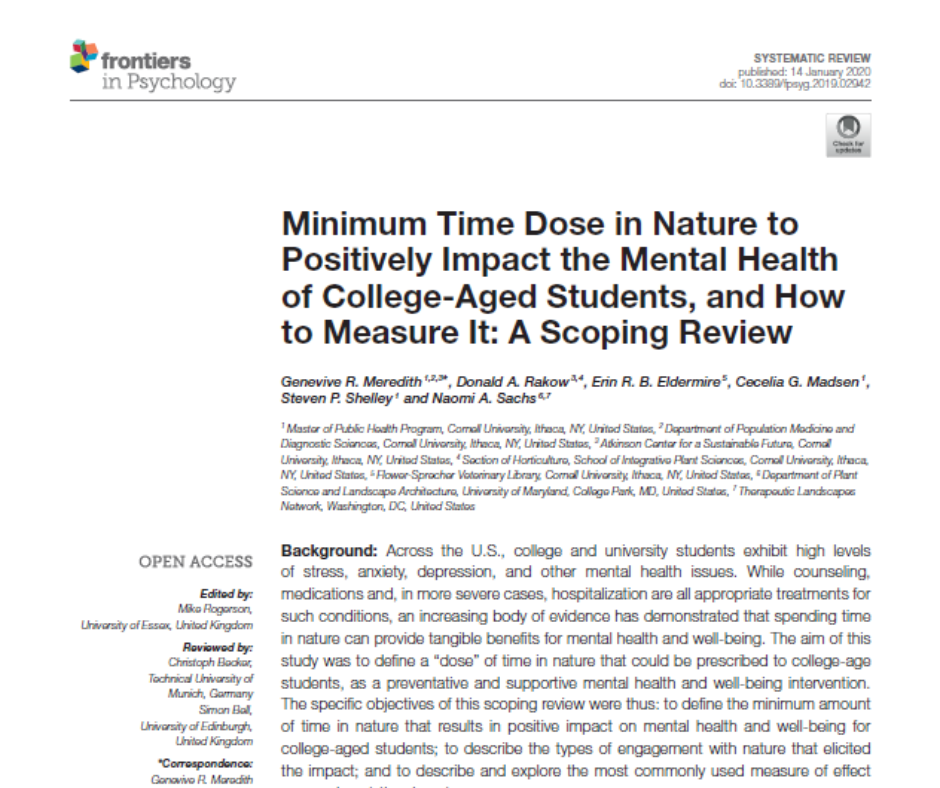
Spending as little as 10 minutes in a green or nature-filled setting reduced the effects of physical and mental stress.
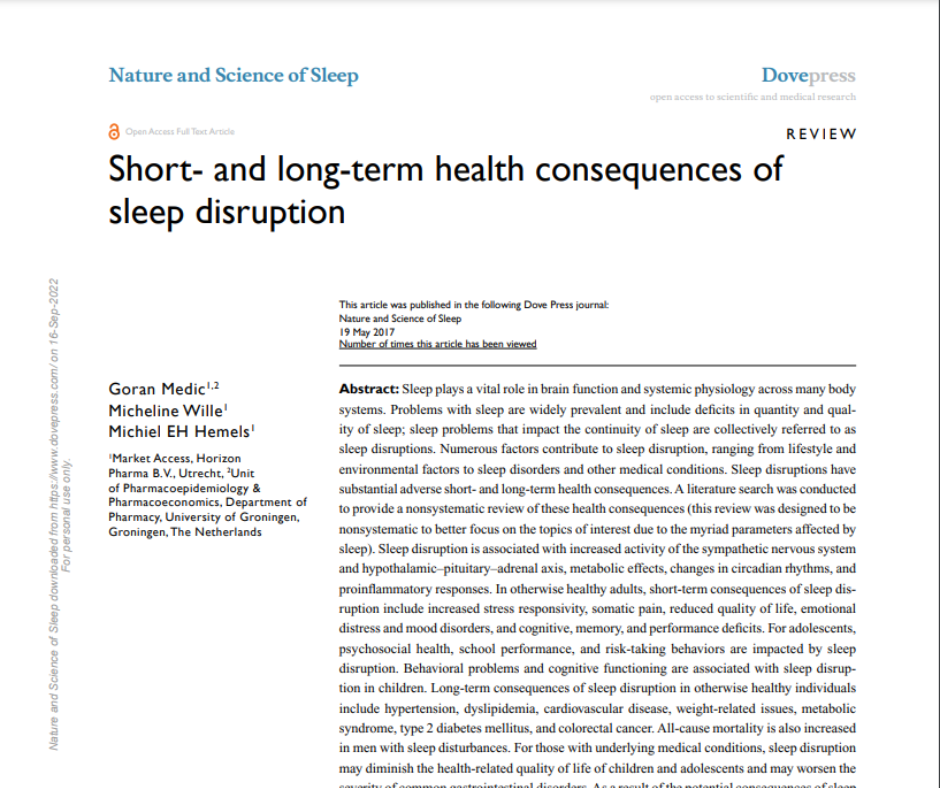
Optimising recovery from work can restore energy and mental resources, which in turn could decrease the development of sleep disorders and cardiovascular disease.
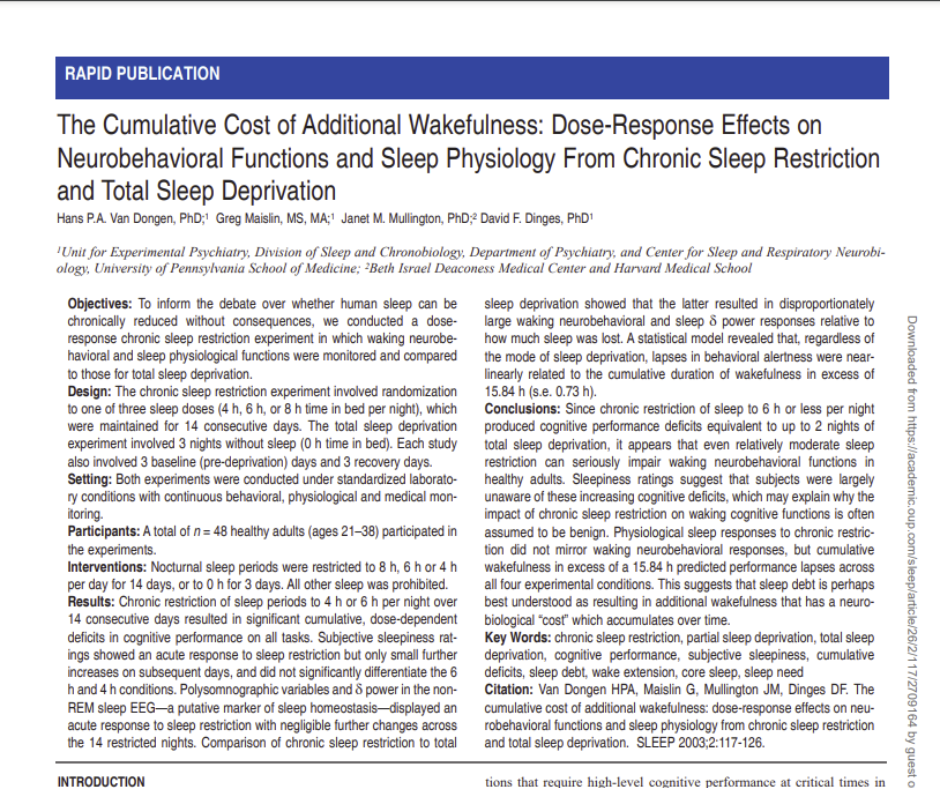
Where sleep is restricted for more than four days, effects will be evident across a range of cognitive abilities, including working memory, attention, language skills and communication.
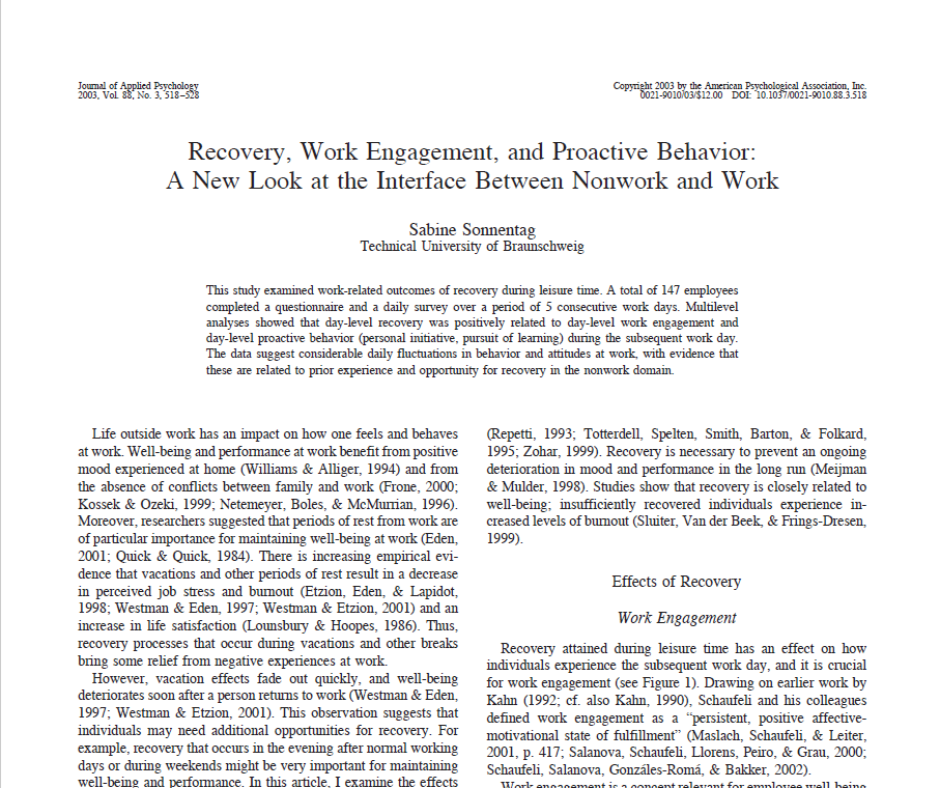
Individuals who feel that they sufficiently recover during leisure time experience a higher level of work engagement during the subsequent work day.
This high level of work engagement in turn helps them in taking initiative and pursuing learning goals.
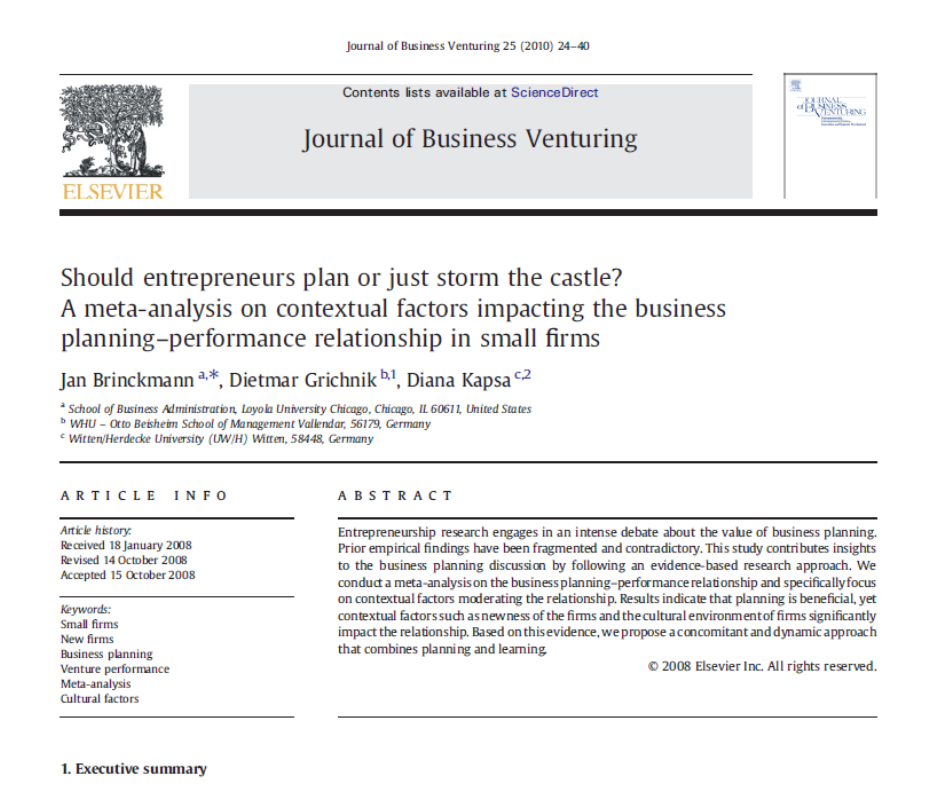
The findings of this study determine a positive relationship between business planning and performance.
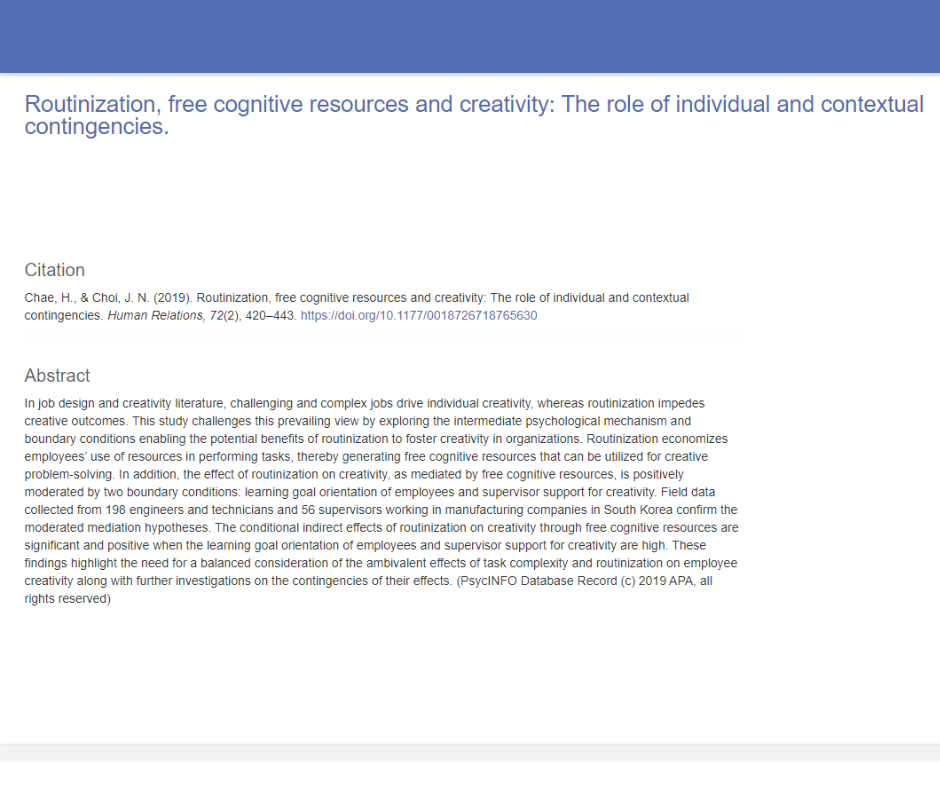
By creating and sticking to a routine, cognitive resources aren’t wasted on small decisions, etc
Planning helps free up cognitive resources, which in turn helps identify priorities.
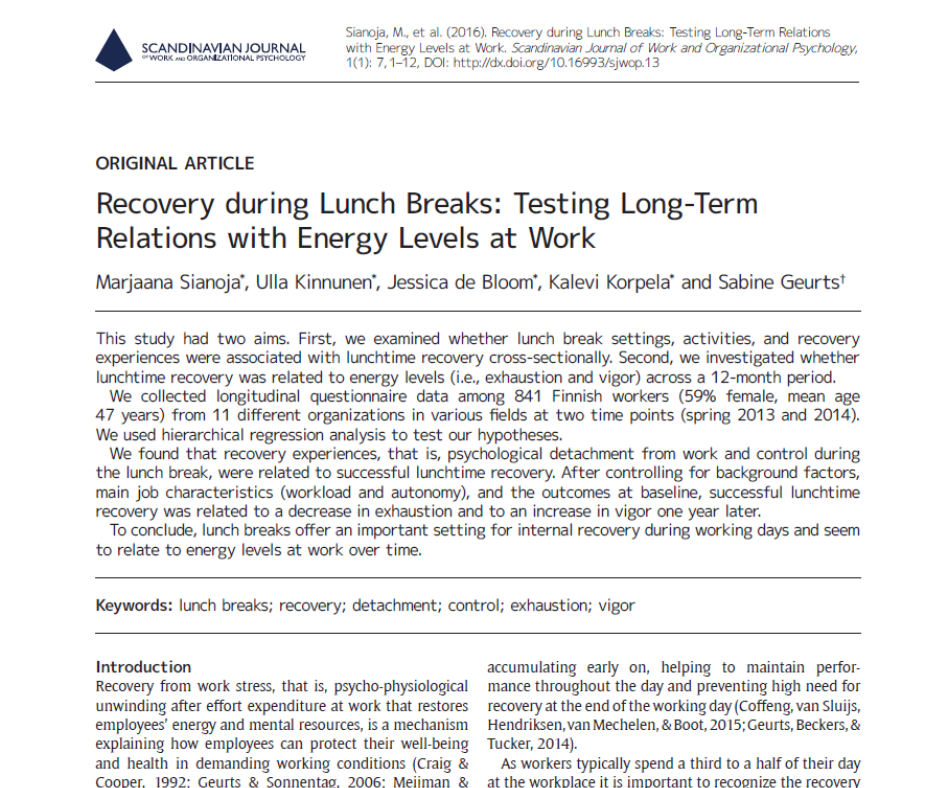
Recovering from work stress can restore energy and mental resources and decrease the development of fatigue, sleep disorders and cardiovascular disease.
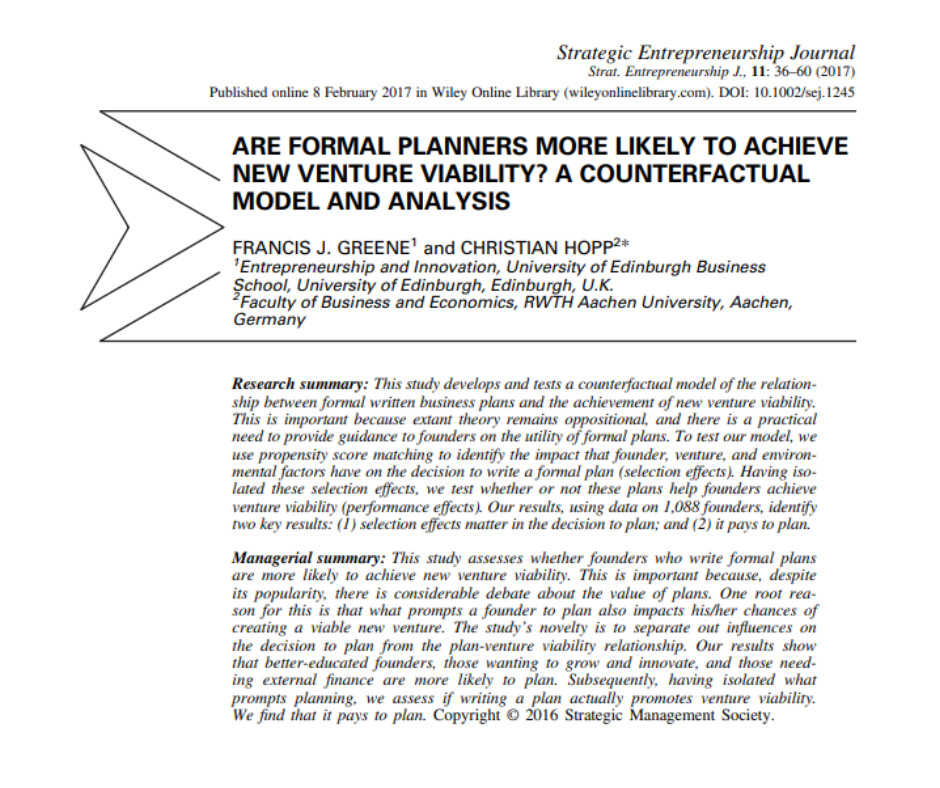
Planning tends to up the chance of business success by between 10% and 15%.
Plans help generate agreement, surface assumptions, ensure things aren’t missed, and highlight potential dangers.
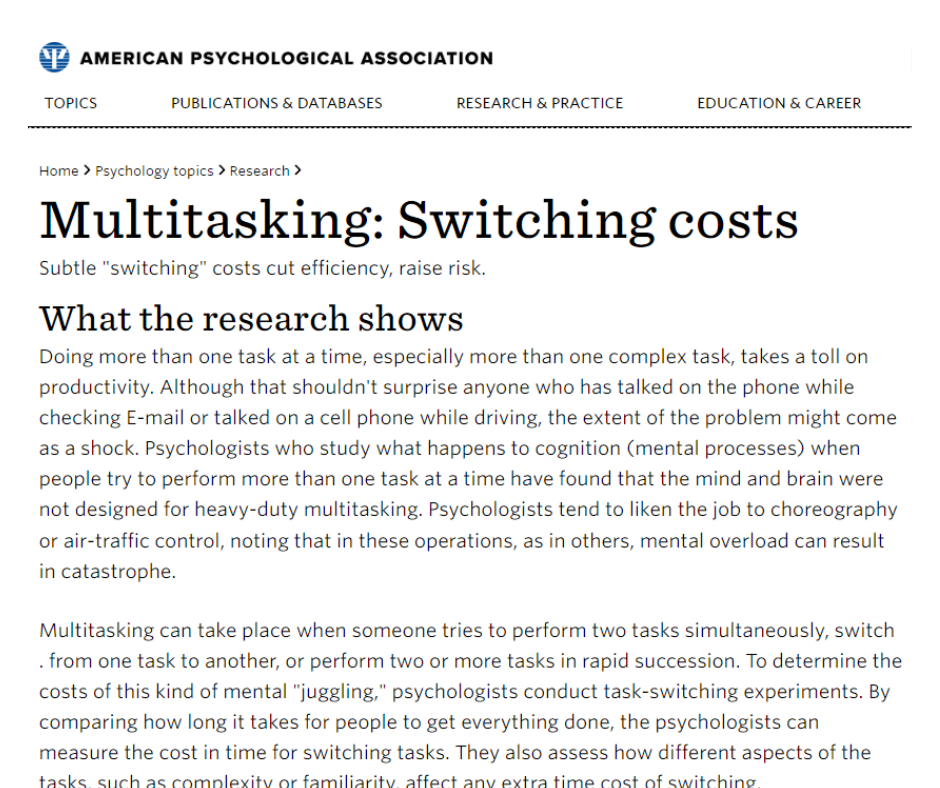
Studies consistently show that multitasking is inefficient.
Shifting between tasks can cost you up to 40% of productive time.